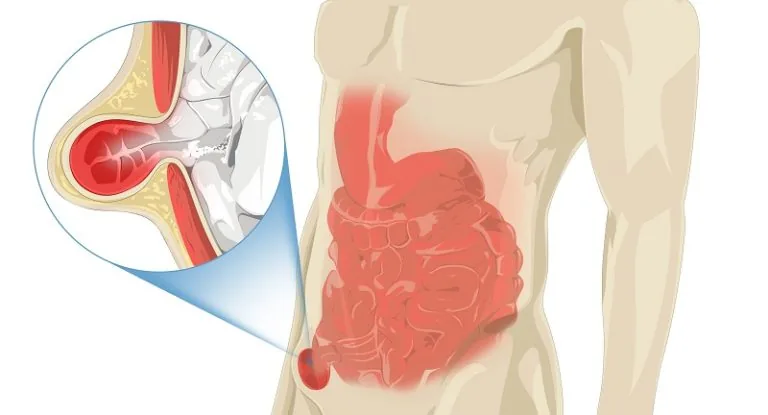
Umbilical hernia surgery in Los Angeles repairs a weak spot in the abdominal wall at the belly button, where fat or part of the intestine pushes through and forms a bulge.
Dr. Babak Moein, a board-certified general surgeon, repairs umbilical hernias at General Surgery LA in Century City. Most repairs are done through small incisions with minimally invasive techniques, and most patients go home the same day.
What Is an Umbilical Hernia?
The belly button is a natural weak spot. It is where the umbilical cord attached before birth, and the tissue that closes over it in adults is thinner than the rest of the abdominal wall. When pressure inside the abdomen rises again and again, a small opening can form and tissue can push through it.
You may feel a soft bulge at or just above the belly button that is more noticeable when you stand, cough or strain, and that flattens when you lie down. A surgeon can usually confirm an umbilical hernia with a simple exam.
Causes and Risk Factors
Umbilical hernias are more common after pregnancy, with extra abdominal weight, with a chronic cough, with straining or heavy lifting, and after previous abdominal surgery.
Common Symptoms
Typical signs include a visible bulge at the belly button, a dull ache or pressure at the site, and discomfort that is worse with activity or at the end of the day. Some umbilical hernias cause no pain at all.
Warning Signs
A bulge that becomes hard, painful, or cannot be pushed back in, skin over the hernia that turns red or dark, or nausea and vomiting can mean tissue is trapped. That needs emergency care the same day.
Do All Umbilical Hernias Need Surgery?
Not right away. In adults an umbilical hernia does not close on its own, but a small, painless hernia that stays the same size and goes back in when you lie down can often be watched with regular check-ups.
Repair is usually recommended when the hernia:
- Causes pain or pressure
- Is getting bigger
- Limits your work, exercise or daily activity
- Has become hard to push back in
Our guide to umbilical hernias in adults explains how size and symptoms affect the timing of surgery.
How Dr. Moein Repairs Umbilical Hernias
The right repair depends on the size of the opening, whether you have had a hernia repaired before, and your general health.
Small-Incision Repair at the Belly Button
For smaller hernias, the repair is done through a small incision hidden at the belly button. The tissue is placed back inside the abdomen and the opening is closed with stitches, often reinforced with a small piece of mesh.
Laparoscopic Mesh Repair
For larger hernias, hernias that have come back, or patients who have had abdominal surgery before, Dr. Moein often uses a laparoscopic repair. A camera and instruments go in through a few small incisions, and mesh is placed under the opening to reinforce the abdominal wall.
Why Mesh Is Often Used
Repairs closed with stitches alone are more likely to come back, especially for larger openings. Mesh reinforces the weak area and lowers that risk. Read more in our article on mesh vs non-mesh hernia repair.
Umbilical vs. Inguinal Hernia
An umbilical hernia forms at the belly button. An inguinal hernia forms in the groin, where tissue pushes through the lower abdominal wall. Both are common, both tend to grow over time, and both are usually repaired with minimally invasive techniques. Dr. Moein explains the difference in the second video on this page.
Umbilical Hernia Surgery Recovery Timeline
1. Day of Surgery (Days 1 - 3)
Most patients go home the same day. Some soreness at the incisions is normal and is managed with the medication prescribed by our team. Walking is encouraged from the first day.
2. Early Recovery (Week 1)
Most patients move from prescription pain medication to over-the-counter medication and return to desk work within about a week. Avoid lifting anything heavy.
3. Intermediate Recovery (Weeks 2 - 4)
Light activity resumes. Continue to avoid heavy lifting, pushing and pulling while the repair heals.
4. Full Recovery (4 - 6 Weeks)
Most patients return to full activity, including lifting and core exercise, after receiving clearance from Dr. Moein. Patients with physically demanding jobs may need more time off, and this is planned at your consultation.
Umbilical Hernia Surgery Cost and Insurance
The cost depends on the size of the hernia, whether the repair is open or laparoscopic, whether mesh is used, and the facility and anesthesia fees. Repair of a symptomatic umbilical hernia is a medically necessary operation, and most insurance plans cover it. Coverage, deductibles and authorization requirements vary by plan, so the office can help you review your benefits before your visit.
If you pay out of pocket, ask for an itemized quote that lists the surgeon fee, anesthesia, facility and mesh separately. See our insurance and financing pages, and our before and after surgery instructions.
Why Choose Dr. Babak Moein for Umbilical Hernia Surgery?
Care at General Surgery LA is led by Dr. Babak Moein, a board-certified general surgeon and Fellow of the American College of Surgeons who focuses on minimally invasive abdominal surgery. He and his surgical team follow each patient from the first visit through recovery.
Dr. Moein treats all types of hernias, including umbilical, inguinal and hiatal hernias, so your repair is planned around your specific hernia and your daily life.
Schedule Your Umbilical Hernia Consultation
If you have a bulge at your belly button that hurts, is growing, or is getting in the way of your life, a short consultation will tell you whether it can be watched or should be repaired. Consultations are available in person in Century City or by video. Book your consultation today.
Sources and Further Reading
Watch Dr. Moein explain it
What is an umbilical hernia and how is it treated?
Inguinal vs. umbilical hernia: what is the difference?
Questions patients ask
Can an umbilical hernia go away on its own in adults?
No. In infants, most umbilical hernias close by age four or five. In adults, the opening in the abdominal wall does not close on its own. It can stay the same size or get bigger over time, so the question is whether it bothers you or is growing enough to repair.
When does an umbilical hernia need surgery?
Repair is usually recommended when the hernia causes pain, gets bigger, or limits your activity. A hernia that becomes hard, painful, discolored, or cannot be pushed back in, especially with nausea or vomiting, needs urgent care the same day.
Is umbilical hernia repair done with mesh?
Often, yes. Very small defects can sometimes be closed with stitches alone. For most larger hernias, mesh is used to reinforce the repair and lower the chance of the hernia coming back. Dr. Moein explains which approach fits your hernia at your consultation.
How long is recovery after umbilical hernia surgery?
Most patients go home the same day, walk from the first day, and return to desk work within about a week. Heavy lifting and hard core exercise wait until about four to six weeks, once Dr. Moein clears you.
Does insurance cover umbilical hernia surgery?
Most insurance plans cover repair of a symptomatic umbilical hernia because it is a medically necessary operation. Coverage, deductibles and prior authorization vary by plan, so the office can help you review your benefits before scheduling.