Hernia surgery is a common procedure for treating a condition in which a body part protrudes through a weakened area in the surrounding tissue. It is characterized by a noticeable bulge and discomfort. Although some hernias do not display signs of discomfort, most of them will need to undergo surgery in order to prevent serious complications such as strangulation or bowel blockage.
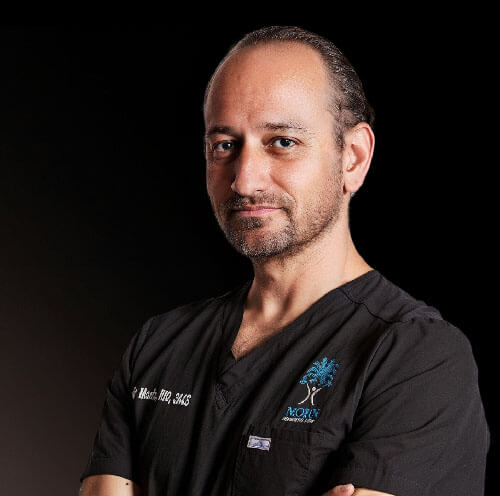
Dr. Babak Moein, a board-certified general surgeon, leads General Surgery LA with extensive expertise in treating all types of hernias, including inguinal, umbilical, and complex abdominal cases. Most repairs are done with minimally invasive laparoscopic techniques.
He focuses on high-precision repairs that significantly reduce recovery time and minimize post-operative pain. Every patient benefits from a holistic approach, from a meticulous preoperative evaluation to a personalized recovery plan tailored to their specific lifestyle.
Understanding Hernias
Causes of Hernias
Hernias develop due to a weakness in the muscle or connective tissue, allowing organs to push through. Key triggers include heavy lifting, chronic coughing, obesity, and straining during bowel movements.
Risk Factors
Previous abdominal surgeries can create weak spots, increasing the risk of incisional hernias. While some are present at birth, most form over time due to increased abdominal pressure combined with weakened muscles.
Common Symptoms
Typical signs include a visible bulge or swelling (often worsening when standing or coughing), pain or discomfort at the site, and a feeling of heaviness or pressure in the abdomen or groin.
Warning Signs
Watch for digestive issues like bloating or heartburn. Sudden, severe pain accompanied by nausea or vomiting is a potential sign of a strangulated hernia requiring emergency care.
Types of Hernia We Treat
Inguinal Hernia
Inguinal Hernia Surgery is the most common type, occurring when tissue pushes through a weak spot in the lower abdominal wall or groin. Dr. Moein typically treats these hernias using advanced laparoscopic repair to support a faster recovery. Read more about when inguinal hernia surgery becomes necessary.
Umbilical Hernia
This develops near the belly button when part of the intestine protrudes through the abdominal muscles. Common in both infants and adults, surgical repair is used to restore abdominal strength. Read about umbilical hernia surgery, or see our guide to umbilical hernia repair in adults for when surgery is needed.
Hiatal Hernia
Happens when part of the stomach pushes up through the diaphragm into the chest cavity. It often causes severe acid reflux and heartburn, which are effectively treated with minimally invasive techniques. See hiatal hernia surgery and paraesophageal hernia repair.
Incisional Hernia
Forms at the site of a previous surgical incision due to weakened tissues. Repairing these prevents enlargement and often involves mesh reinforcement for the best long-term outcomes.
Femoral Hernia
Located just below the groin, these are less common but carry a higher risk of complications. Early detection by a specialist like Dr. Moein is crucial to prevent emergency situations.
Epigastric Hernia
Occurring between the breastbone and belly button, these hernias involve fatty tissue pushing through the abdominal wall. Dr. Moein provides precise repairs to restore abdominal integrity.
Spigelian Hernia
This rare type develops along the side of the abdominal wall and often remains hidden beneath layers of muscle. Dr. Moein’s expertise is essential for identifying these complex cases.
Complex & Recurrent
For patients with failed previous repairs or multiple hernias, Dr. Moein offers advanced reconstruction techniques designed to deliver lasting results where standard treatments have failed.
Advanced Hernia Treatment Techniques at General Surgery LA
At General Surgery LA, a combination of cutting-edge technology and advanced surgical techniques is used to deliver the best possible outcomes for hernia patients. Dr. Babak Moein, with his years of experience in general and minimally invasive surgery, ensures that each patient receives a personalized treatment plan tailored to their unique condition.
Laparoscopic Repair
This minimally invasive technique involves small incisions and a laparoscope to repair the hernia. Benefits: Less post-operative pain, smaller scars, and faster recovery.
Open Hernia Repair
For larger or more complicated hernias, traditional open repair remains a highly effective option. Benefits: Direct visualization and effective wall strengthening.
Mesh Reinforcement
High-quality medical mesh is used when necessary to strengthen weakened tissues and reduce recurrence. Benefits: Long-term durability and lower re-herniation risk. Our article on mesh vs non-mesh repair explains how that decision is made.
Emergency Hernia Repair
For strangulated or obstructed hernias, urgent intervention is performed to prevent serious complications. Benefits:
- Immediate relief from life-threatening situations
- Prevents damage to surrounding tissues
- Faster recovery with prompt, expert care
Your Hernia Surgery Timeline
1. Immediate Post-Surgery (Days 1 - 3)
During this initial phase, it is normal to experience mild pain, swelling, and soreness. These symptoms are effectively managed with the medications specifically prescribed by our team to ensure your comfort.
2. Early Recovery (Weeks 1 - 2)
Light walking is highly encouraged during this period to aid circulation. However, you must strictly avoid heavy lifting or strenuous exertion as your internal tissues begin to heal.
3. Intermediate Recovery (Weeks 3 - 4)
At this stage, most patients can resume light work and daily routines. You will notice significantly reduced discomfort and increased mobility as the initial post-operative swelling subsides.
4. Full Recovery (4 - 6 Weeks)
This is the milestone where you can return to sports and full physical activity. Transitioning back to high-impact exercise should only be done after receiving final clearance from Dr. Moein.
Hernia Surgery Cost and Insurance in Los Angeles
The cost of hernia surgery depends on the type of hernia, whether the repair is laparoscopic or open, whether mesh is used, and the facility and anesthesia fees. Repair of a symptomatic hernia is a medically necessary operation, and most insurance plans cover it. Coverage, deductibles, and authorization requirements vary by plan, so the office can help you review your benefits before your visit.
If you pay out of pocket, ask for an itemized quote that lists the surgeon fee, anesthesia, facility, and mesh separately. You can read more on our insurance and financing pages. For detailed care instructions, see before and after surgery.
Why Choose General Surgery LA and Dr. Babak Moein?
Selecting a hernia specialist is a decision that impacts comfort, recovery, and long-term outcomes. Care at General Surgery LA is led by Dr. Babak Moein, a board-certified general surgeon, with years of experience treating straightforward and complex hernias.
Patients benefit from evidence-based protocols, minimally invasive options where appropriate, and attentive aftercare designed to reduce downtime and support a confident return to normal activity.
Schedule Your Hernia Surgery in Los Angeles
Expert hernia repair by Dr. Moein using minimally invasive, mostly laparoscopic techniques, designed to reduce pain, accelerate recovery, and deliver durable, long-term results. Each treatment plan is tailored to restore your comfort and help you return safely to your daily activities. Book your consultation today and take the next step toward lasting relief and improved quality of life.
Sources and Further Reading
Watch Dr. Moein explain it
Inguinal vs. umbilical hernia: what is the difference?
Finding the right solution for your hernia
Questions patients ask
Can you heal a hernia without surgery?
No. A true hernia does not heal on its own because the weakness or opening in the muscle wall remains present. Some hernias can be observed for a period of time if they are small and not causing significant symptoms, but they do not close naturally. Surgery is the only definitive treatment to repair the defect.
What are the signs that a hernia may need surgery?
A hernia may need surgery if it causes pain, increases in size, interferes with daily activities, or becomes difficult to push back in. Symptoms such as nausea, vomiting, severe tenderness, redness, or sudden worsening pain may indicate a more urgent problem. In those cases, prompt medical evaluation is important.
How long does it take to recover from hernia surgery?
Recovery after hernia surgery depends on the type of hernia, the surgical approach, and the patient’s general health. Many patients return to light activities within a few days and resume office-type work within one to two weeks. More strenuous activity and heavy lifting usually require a longer recovery period, based on the surgeon’s recommendations.
What is the difference between open and laparoscopic hernia surgery?
Open hernia surgery is performed through a larger incision over the affected area, while laparoscopic hernia surgery uses several small incisions and a camera to repair the hernia internally. Laparoscopic surgery may result in less postoperative discomfort and a faster return to normal activities for some patients, while open surgery may still be the best choice in selected or more complex cases.
Does insurance cover hernia surgery?
Most insurance plans cover repair of a symptomatic hernia because it is a medically necessary operation. Coverage, deductibles, and prior authorization requirements vary by plan, so it is best to confirm your benefits before scheduling. Our office can help you review them.
How much does hernia surgery cost?
The cost depends on the type of hernia, the surgical approach, whether mesh is used, and facility and anesthesia fees. With insurance, your share depends on your deductible and coverage. If you pay out of pocket, ask for an itemized quote. Call our office to talk through your situation.